

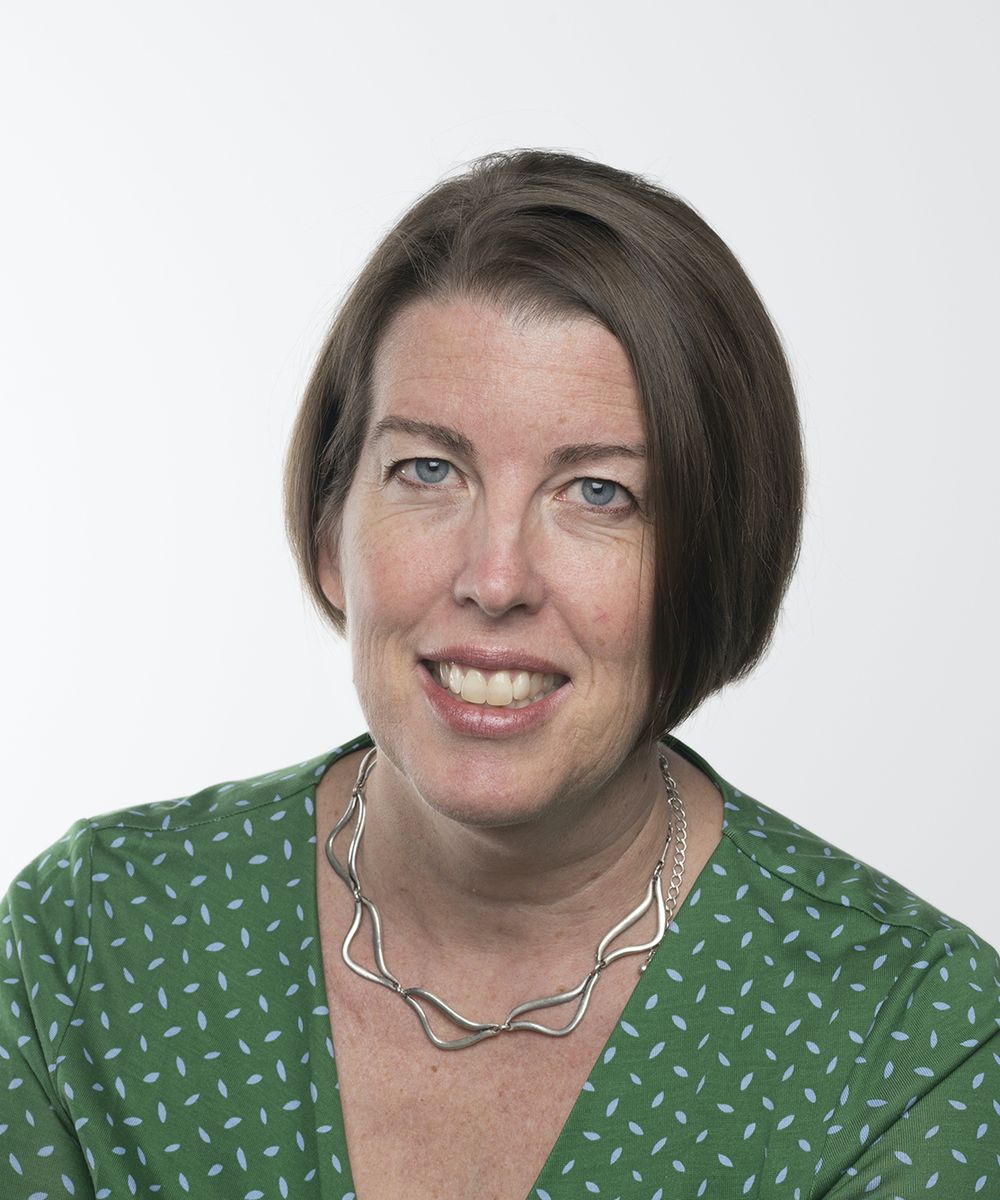
Book Stephanie Nolen, Economics Speaker
About This Speaker
Stephanie Nolen is the global health reporter for The New York Times, with over 30 years of experience. She has reported from more than 80 countries, covering war zones, humanitarian crises, and pandemics. Her work focuses on the ongoing impacts of AIDS, tuberculosis, malaria, and emerging diseases. She also examines critical issues like access to care and medicines.
Stephanie Nolen served as a bureau chief for The Globe and Mail in Johannesburg, New Delhi, Rio de Janeiro, and Mexico City. This experience gave her unique insight into the political, economic, and social forces shaping lives in the Global South. Her perspective is invaluable for understanding global health challenges.
Stephanie’s reporting resonates worldwide. She goes beyond the headlines to tell stories of human resilience and hope. Whether meeting Pashtun women in the Khyber Pass or covering teens fighting genital cutting in Sierra Leone, she connects deeply with communities affected by crisis. Her work is rich in empathy and detail, helping to humanize complex issues.
Stephanie Nolen is the author of 28: Stories of AIDS in Africa, praised by the UN Special Envoy for AIDS as “the best book ever written about the pandemic.” The book was translated into seven languages and won the 2007 PEN Courage Award. She is also the author of Shakespeare’s Face and Promised the Moon: The Untold Story of the First Women in the Space Race.
A Montreal native, Stephanie Nolen holds a Bachelor of Journalism (Hons) from the University of King’s College and an MSc in Development Economics from the London School of Economics. She has received multiple honorary doctorates and numerous awards, including the 2022 World Press Freedom Lifetime Achievement Award.
Videos
Speaking Topics: Stephanie Nolen
Lessons From a Pandemic
Covid-19 has upended our lives, but there are things about this strange new world that are recognizable. When you’ve lived in war zones, where the rules are new every day –and a place you could go to yesterday is not a place you can go safely today – you can spot some similarities. Epidemics are not new to Stephanie. She has reported on tuberculosis in India, Ebola in East Africa, the Zika virus outbreak in Brazil and lived for years in the heart of the global AIDS crisis. Lessons from those crises apply here. The people most vulnerable to this Covid-19, as in most other pandemics, are those who were near-invisible when it began: the elderly in care homes. Workers in meat processing factories. Undocumented construction workers and caregivers. Prisoners. Viruses prey on inequality; we can’t fight this one without working to build a more equal and inclusive society. Viruses also prey on intimacy, and good public health policy has to acknowledge this. People will change their behaviour in profound ways, and follow myriad new rules for what they must do to stay safe. Then, just once; or every once in a while; they will cheat, or break the rules. Stephanie has met extraordinary leaders and activists and witnessed how solutions and change come from unlikely places, from often marginalized people. Stephanie opens audiences’ eyes to successful strategies and solutions from these past global challenges and brings awareness to the window of opportunity that exists to leverage this as a moment for change.
Leaders: The Ability to Imagine a Better World
In the world’s most impoverished and troubled regions, Stephanie has met and closely followed the work of a handful of extraordinary individuals who have led massive change in their societies. The fight to stop deforestation in the Brazilian Amazon; to end the forced marriage of girls in rural India; to get affordable, life-saving drugs for people dying of AIDS in South Africa: all of those battles had leaders who stood up, alone at first, and at great personal risk, and convinced others who once believed they were powerless to join them in the fight. In years of telling these stories, Stephanie has identified what these leaders have in common: the ability to imagine a world that is different, the ability to persuade others of the possibility in their vision, and the willingness to stake their own reputation, integrity, or in many cases survival, on bringing change. We can learn from their courage and their experience.
Girls' Education
Getting and keeping girls into school has been a major development goal around the world for the past 15 years. Stephanie has reported on the issue in dozens of countries and has seen firsthand which strategies work (and which don’t) when it comes to giving girls access to a good education. She also has seen societies transform when girls do get the opportunity to learn. Some of the obstacles are predictable, but many are surprising – and so are the solutions. Understanding them illuminates the structures that make societies unequal and how they can be challenged.
Related speakers

Related news and insights

January 25, 2024 · 5 min. read
Keynote Speakers to Watch in 2024
Talent Bureau works with North America’s most influential keynote speakers to provide audiences with the right solutions to their workplace challenges.

October 24, 2025 · 7 min. read
Top Canadian Journalism and Media Speakers
Meet Canada’s top journalism and media speakers—trusted voices who bring clarity, polish, and unforgettable stories to your stage.

April 7, 2025 · 5 min. read
Top Health and Wellness Speakers 2025
Celebrate International Women’s Day 2025 with the best female inspirational speakers like Dr. Roberta Bondar and Kate Beirness.