

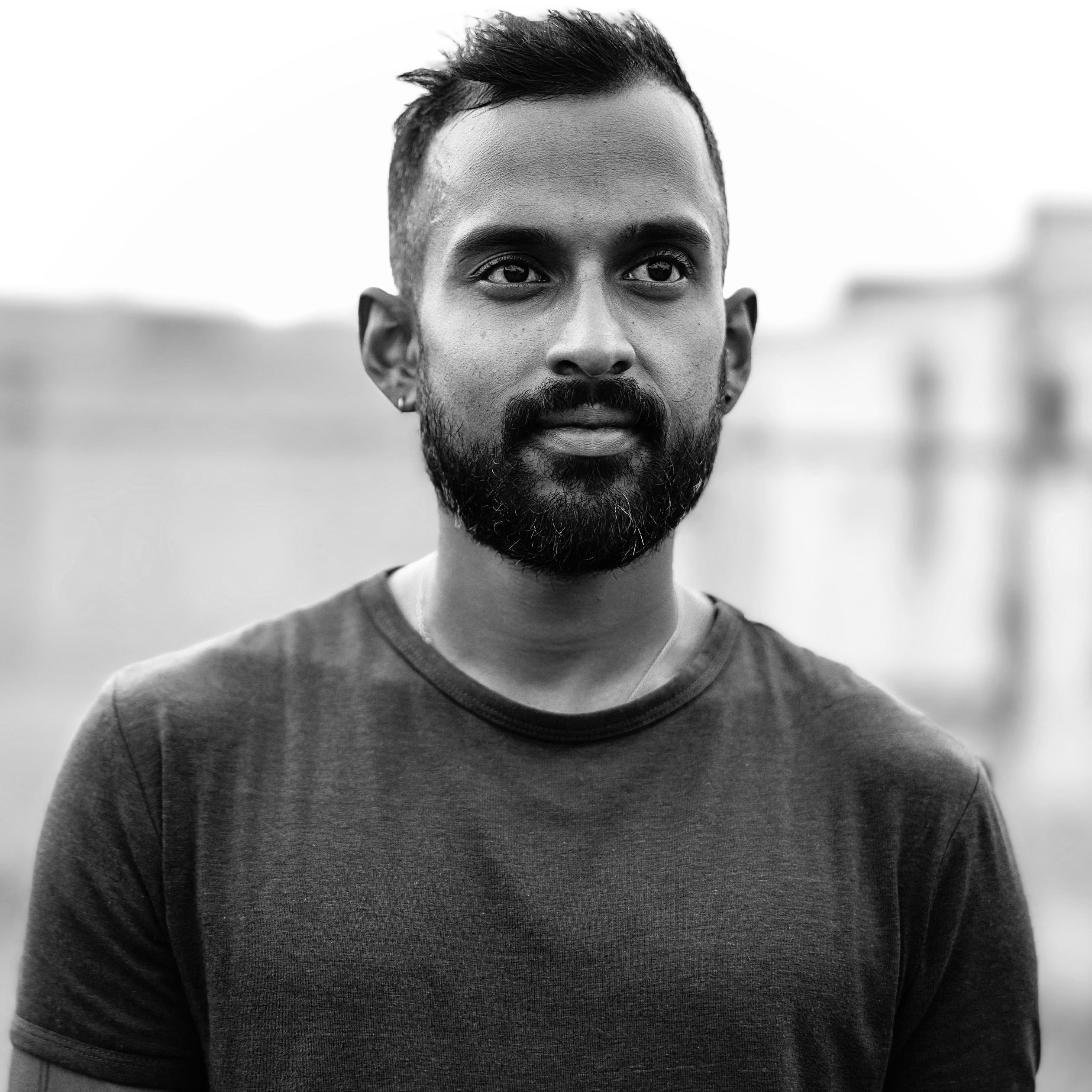
Book Robin Mazumder, Communication Speaker
About This Speaker
Robin Mazumder is an environmental neuroscientist with a keen interest in how urban design impacts individual, community, and societal well-being. Robin is an outspoken advocate for healthy urban design and has given more than 60 keynotes internationally on the topic. He was named Top 40 Under 40 by Avenue Magazine in 2014, an “Edmontonian to Watch” in 2015 by Metro Edmonton, and in 2018 was awarded the University of Waterloo’s President’s Community Impact Award in recognition of his leadership and advocacy.
In 2023, Robin Mazumder was named the 2023 Zeidler-Evans Architecture of Health Lecturer by McMaster University. Robin is also passionate about science communication and has been interviewed by and written for major media publications, including the CBC, Huffington Post, Wired, and Vice. He was a postdoctoral research fellow at the Technical University of Berlin, where he was part of the research platform Neurourbanism.
Robin Mazumder is currently an Associate Fellow with the Centre for Studies in Religion and Society at the University of Victoria, and is writing a book exploring the topic of his keynotes on how to build a healthier society. He is signed with literary agency Cooke-McDermid.
Videos
Speaking Topics: Robin Mazumder
Brain Health For A Better Society
Having taught university courses on human development, working as a mental health therapist across the lifespan, and conducting cutting-edge neuroscience research on how our world shapes our brains, Dr. Mazumder has a few thoughts on how centring brain health can help transform our society. He will discuss how modern urban life, from social isolation to urban design, impacts child brain development, what that means for mental and physical illnesses developing later in life, and the implications on how our society functions. His talk will inspire hope that we can leave a better world for future generations.
Community Building and Blazing Trails: Lessons in Leading Your Own Journey
Over the course of his unconventional professional journey, Dr. Mazumder has been recognized for his leadership with numerous awards, including the University of Waterloo’s President’s Community Leadership Award, Edmonton’s Top 40 Under 40, and the Vanier Canada Graduate Scholarship, Canada’s most prestigious doctoral award distinguished by its emphasis in leadership in both academia and community. Robin will detail his journey, which started with creating a program for children with disabilities in Northern Siberia, leading him to a career as a mental health therapist, following which he ran a start-up accelerator. Then, on to his PhD in neuroscience, where he focused on the psychological impacts of urban design, all paths inspired by his desire to make a difference in the communities he lived in and the global community we are all a part of.
Designing for Divergence: An Exploration into the Neuroscience of Equitable Cities
Dr. Robin Mazumder is an environmental neuroscientist with a keen interest in the psychology of cities. Funded by the Vanier Canada scholarship, he completed his PhD in cognitive neuroscience at the University of Waterloo, where he used wearable technology and virtual reality to understand how urban environments affect the brain. This interest was inspired by his clinical experience as an occupational therapist. Working on the frontline with patients to transition from the hospital to the community stirred curiosity into how different settings, from quiet parks to busy roads, impacted their unique sensory experiences, and whether urban stress contributed to their illness. In this keynote, Robin will discuss the science of neurodivergence through the lens of cities, and will provide clear evidence and recommendations on how to design for difference. He will also explore the consequences of unhealthy urban design and how cities negatively impact the brain, providing reflections from his own lived experience of neurodivergence as someone who lives with Bipolar Disorder. Through story-telling and science communication, Robin will provide attendees with practical tools for neurodivergent urban design, and inspiration to continue their critical work in healthy, equitable city building.
Related speakers


Related news and insights

April 1, 2025 · 4 min. read
Best Canadian Speakers in Healthcare and Environment
Get to know Madison Tevlin, a multihyphenate superstar who defies stereotypes, inspires audiences and sets new standards for accessibility and inclusion.

January 25, 2024 · 5 min. read
Keynote Speakers to Watch in 2024
Talent Bureau works with North America’s most influential keynote speakers to provide audiences with the right solutions to their workplace challenges.

April 7, 2025 · 5 min. read
Top Health and Wellness Speakers 2025
Celebrate International Women’s Day 2025 with the best female inspirational speakers like Dr. Roberta Bondar and Kate Beirness.