

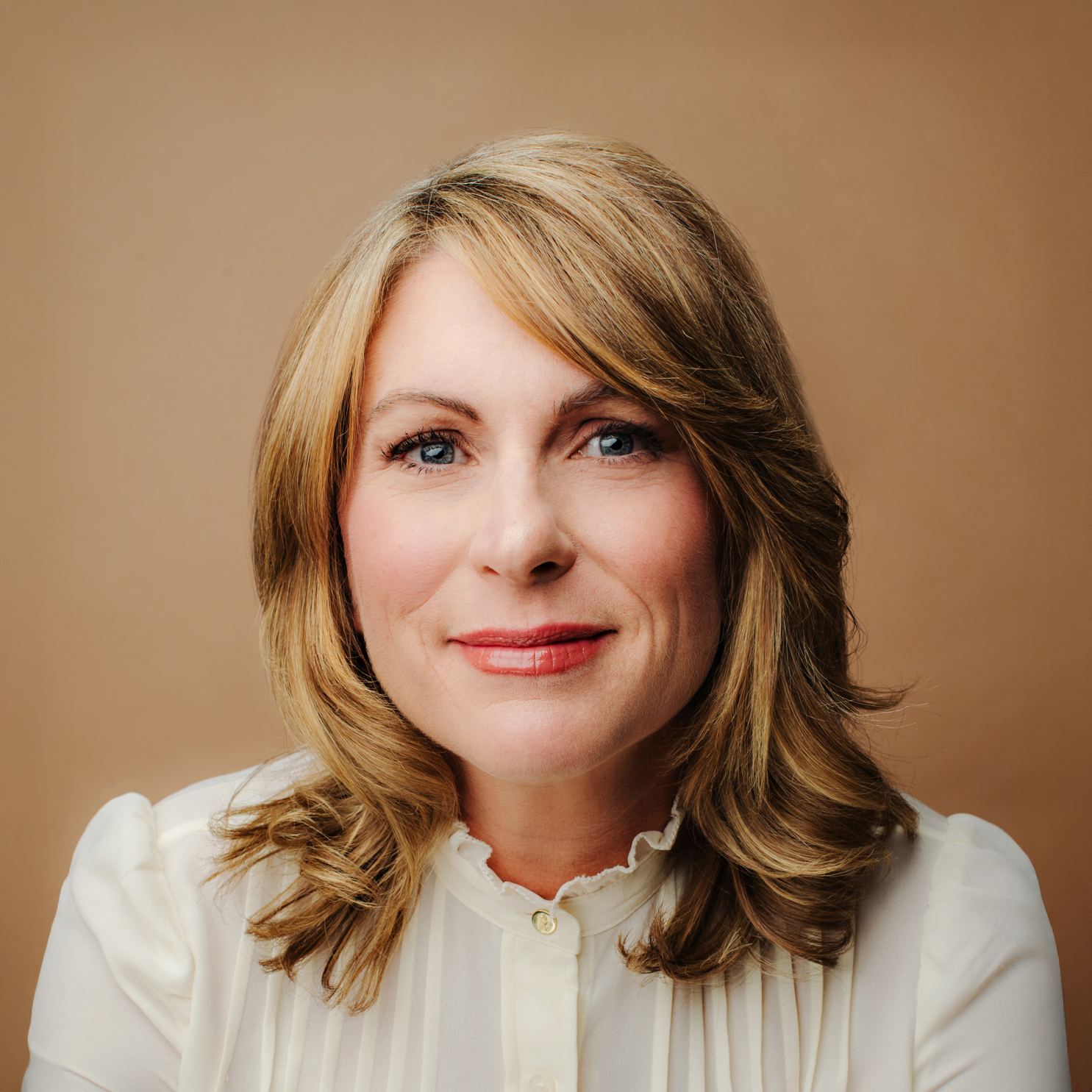
Book Jennifer Moss, Change Management Speaker
About This Speaker
Jennifer Moss is an international speaker, award-winning journalist, and author. She is also a workplace culture strategist and the cofounder of the Work Better Institute, a global workforce policy think tank. A nationally syndicated radio columnist, Jennifer writes for Harvard Business Review, Fast Company, and Fortune. Global media outlets frequently invite her to share insights from her research on well-being and performance.
She partners with leadership teams in large organizations to strengthen culture, measure well-being, and drive results. A former member of the Global Happiness Council—in partnership with Gallup and the UN—Jennifer contributed to the Global Happiness Policy Report each year of her tenure.
Her upcoming book, Why Are We Here?, is her third on workplace culture and wellness. The Burnout Epidemic earned recognition from Thinkers50 as one of the 10 Best New Management Books of 2022 and was shortlisted for the Outstanding Works of Literature Award. Her first book, Unlocking Happiness at Work, was named Business Book of the Year in the United Kingdom. Jennifer’s expertise also appears in the HBR Guide to Beating Burnout and the HBR Emotional Intelligence Series.
She has received honors including Canadian Innovator of the Year, International Female Entrepreneur of the Year, and a Public Service Award from the Office of President Obama. Through her research, writing, and keynotes, Jennifer helps organizations design workplaces that prioritize happiness, performance, and purpose.
Videos
Speaking Topics: Jennifer Moss
Combating Burnout to Reach Our Goals
A heightened state of urgency and rapid change caused burnout to soar in the pandemic. But, it’s 2024 and burnout continues to surge. Brain fog – a symptom of burnout – is playing a terrible mental trick on our workforce and organizational success. It causes people to make more mistakes, they’re more distracted, less agreeable, and simple tasks feel exhausting. They (and unfortunately others) start to question professional effectiveness, which leads to what Moss has identified as “The Underperformer Myth”. Jennifer Moss says it’s not underperformance – it’s burnout – and it’s preventable. To get the workforce back to health and high-performance, this is the talk. Based on her award-winning book, The Burnout Epidemic, Moss shares novel, research-backed advice for individuals and leaders to identify chronic stress and the strategies to fix it. Key Takeaways • The myths and facts about burnout – explaining the “Underperformer Myth” • The six root causes of burnout and how they show up at work • Juggling organizational pressures while still managing burnout • How to better support a team at risk for burnout • Understanding toxic productivity – what is in and out of our control • How to address specific burnout risks for a diverse workforce
Why Are We Here?: Creating a Work Culture Everyone Wants
There's a post-pandemic phenomenon that people are experiencing but can't quite put their finger on. Work is evolving, and so are employees’ expectations of it. Most people would agree, it still feels out of sync. Leaders have been tasked with navigating these changes in real time, without a playbook. Meanwhile, the workforce is in search of more purpose in their work, yet unsure of how or where to find it. They’ve likely found themselves pondering, "Why am I here?" In her provocative new book, Why Are We Here?: Creating a Work Culture Everyone Wants, Jennifer Moss pinpoints what is missing from work today. With her background as a global workplace strategist, Jennifer guides attendees to the forefront of this significant and historical change. Incorporating dialogues with leading academic researchers, interviews with CEOs from the most admired companies worldwide, and discussions with employees across various industries and roles, Jennifer equips attendees with the understanding needed to answer the question for themselves and the people they lead: "Why are we here?" Key Takeaways: • The three unexpected shifts in worker behaviour explained through behavioural science research reveals • Moving beyond "the new normal" to "jumping the timeline," examining how rapid change impacts our attitudes and behaviors • Implications of these shifts for talent management and organizational culture • Leadership development focusing on purpose, cognitive empathy, and hope to enhance team performance • Techniques to boost intrinsic motivation and minimize turnover • Initiatives to combat employee isolation and foster belonging • Approaches to widen the pipeline for women in leadership roles • Effective methods for transitioning from change fatigue to change readiness • Guidance for integrating AI while ensuring a sustainable future workforce • Leveraging key shifts to more effectively manage a multi-generational workforce
Jumping the Timeline: Embracing a Future of Work That Isn’t “Normal”
Crises, climate change, sudden remote work, AI, generational displacement, and more – acted as a catalyst that moved us out of our current trajectory and popped us into the multiverse of work. This has been jarring – in most part because of the speed with which the world changed. In the last three years, Gallup finds that younger workers’ FOBO (Fear of Becoming Obsolete) has doubled. Our brains naturally want to stick to old patterns and behaviors but on this new timeline, it’s an unworkable strategy. In this compelling new talk, globally renowned workplace culture strategist Jennifer Moss leverages behavioural and neurosciences research to explain change resistance and how to shift that into a future readiness mindset. Moss dives into new approaches to leadership to motivate and engage individuals and teams in a fundamentally different experience of work. Key Takeaways: Why thinking about the future of work as “the new normal” actually holds us back Understanding the future workforce through the lens of behavioral and neurosciences research What is FOBO and why does it matter? Future competitiveness in a polycrisis – how to build and maintain a healthy and high-performing work culture while global uncertainty and instability persist Finding the goldilocks zone between AI integration and workforce sustainability Tactics to help reduce fears of obsolescence across generations Finding compromise in the remote/hybrid/in-person debate by changing the narrative from flexibility to freedom Easy-to-operationalize tactics for better engagement of remote and hybrid teams Crises, climate change, sudden remote work, AI, generational displacement, and more – acted as a catalyst that moved us out of our current trajectory and popped us into the multiverse of work. This has been jarring – in most part because of the speed with which the world changed. In the last three years, Gallup finds that younger workers’ FOBO (Fear of Becoming Obsolete) has doubled. Our brains naturally want to stick to old patterns and behaviors but on this new timeline, it’s an unworkable strategy. In this compelling new talk, globally renowned workplace culture strategist Jennifer Moss leverages behavioural and neurosciences research to explain change resistance and how to shift that into a future readiness mindset. Moss dives into new approaches to leadership to motivate and engage individuals and teams in a fundamentally different experience of work. Key Takeaways: • Why thinking about the future of work as “the new normal” actually holds us back • Understanding the future workforce through the lens of behavioral and neurosciences research • What is FOBO and why does it matter? • Future competitiveness in a polycrisis – how to build and maintain a healthy and high-performing work culture while global uncertainty and instability persist • Finding the goldilocks zone between AI integration and workforce sustainability • Tactics to help reduce fears of obsolescence across generations • Finding compromise in the remote/hybrid/in-person debate by changing the narrative from flexibility to freedom • Easy-to-operationalize tactics for better engagement of remote and hybrid teams • How to lead in the era of personalization – what does the increasing adoption of niche benefits tell us
How to Optimize an Age-Diverse Workforce in Times of Transformation
Currently there are five different generations coming together at work. Traditionalists, Boomers, Gen X, Millennials, and Gen Z. Up soon? Alphas. The labels are less important than the characteristics that make these generations unique. Boomers are retiring at record rates, Millennials and Xers are working fewer hours, while Gen Zs are disinterested in traditional work roles. All generations are struggling with burnout and disengagement. As a talent shortage looms large, addressing the needs of each group will be critical. For leaders who want to bridge generational divides while ensuring that each group feels heard, award-winning author Jennifer Moss has the answers. Based on her insightful new book, Why Are We Here?: Creating a Work Culture Everyone Wants, Moss unpacks how to better relate to each generations' shifting motivations and mindsets while underlining the importance of belonging and friendships in this current era of loneliness and isolation. Key Takeaways: • The economic and environmental drivers impacting generational attitudes and behaviors • The biggest generational trends changing work (e.g. social media rebellion, retiree exodus, millennial financial well-being, narrowing of executive pipelines for Gen X women, etc.) • Research-backed strategies to reduce ageism in the workplace • How to personalize engagement and retention strategies based on age diversity • Knowing the critical health and employee benefits each generation needs and wants • How to build and foster belonging in an age-diverse workforce
(re)Discovering Happiness at Work
We’ve come through a crisis and for better or worse – it changed us. We gained plenty of skills – how to pivot on the fly, work from anywhere, adopt new tech, build resiliency. We might be feeling hopeful, but we have a long way to go – Gallup says that less than 1 in 4 people are thriving at work. If the dust is settling and our well-being is (re)booting in our personal lives, why does work still feel so “meh”? We feel less confident, less effective, less connected – blame that on chronic stress – but we’re also hungry for purpose and meaning. We want our MOJO back! In her newest keynote offering (re)Discovering Happiness at Work, award-winning author and journalist, Jennifer Moss, will engage audiences with novel ways to bring that lost sense of purpose back to work and life. With the latest behavioral and economic sciences research, Jennifer explains what makes us want to show up at work and how to tear down the psychological barriers that are holding us back. This is a high energy, future-focused, entertaining, data-backed discussion. It will have the audience nodding, “you get me,” while feeling like, “I can do this!” Takeaways Include: • (re)Imagine the Future: How to turn our gaze back to the future and decide how we want to be and what we can accomplish when we do. • (re)Connect Our Diverse Workforce: How to think differently about the multigenerational workforces, Equity Deserving populations, and increasing diversity in our workforces. • (re)Prioritize Autonomy: Understand what flexibility actually means. Why employees care so much about autonomy and how you can use it to create value. • (re)Build Belonging: How and why to invest in belonging, connection, and friendships which are more important than ever, and more difficult to create in hybrid workplaces. • (re)Store Purpose and Meaning: How and Why we need to connect our efforts to purpose and how to begin evolving our employee value propositions.
Reducing Stress and Increasing Engagement in Changing Times
Since the pandemic we’ve been operating in crisis mode. It took 41 percent of the global workforce to resign for us to finally admit, crisis mode may not be sustainable. And yet, here we are in 2023, growth expectations have not slowed, workloads are still unmanageable, and people keep quietly quitting or quitting outright.
Related speakers

Related news and insights

January 25, 2024 · 5 min. read
Keynote Speakers to Watch in 2024
Talent Bureau works with North America’s most influential keynote speakers to provide audiences with the right solutions to their workplace challenges.
April 1, 2025 · 4 min. read
Best Canadian Speakers in Healthcare and Environment
Get to know Madison Tevlin, a multihyphenate superstar who defies stereotypes, inspires audiences and sets new standards for accessibility and inclusion.
April 7, 2025 · 5 min. read
Top Health and Wellness Speakers 2025
Celebrate International Women’s Day 2025 with the best female inspirational speakers like Dr. Roberta Bondar and Kate Beirness.