


Book Dr. Jane Barratt, Accountability/Ownership Speaker
About This Speaker
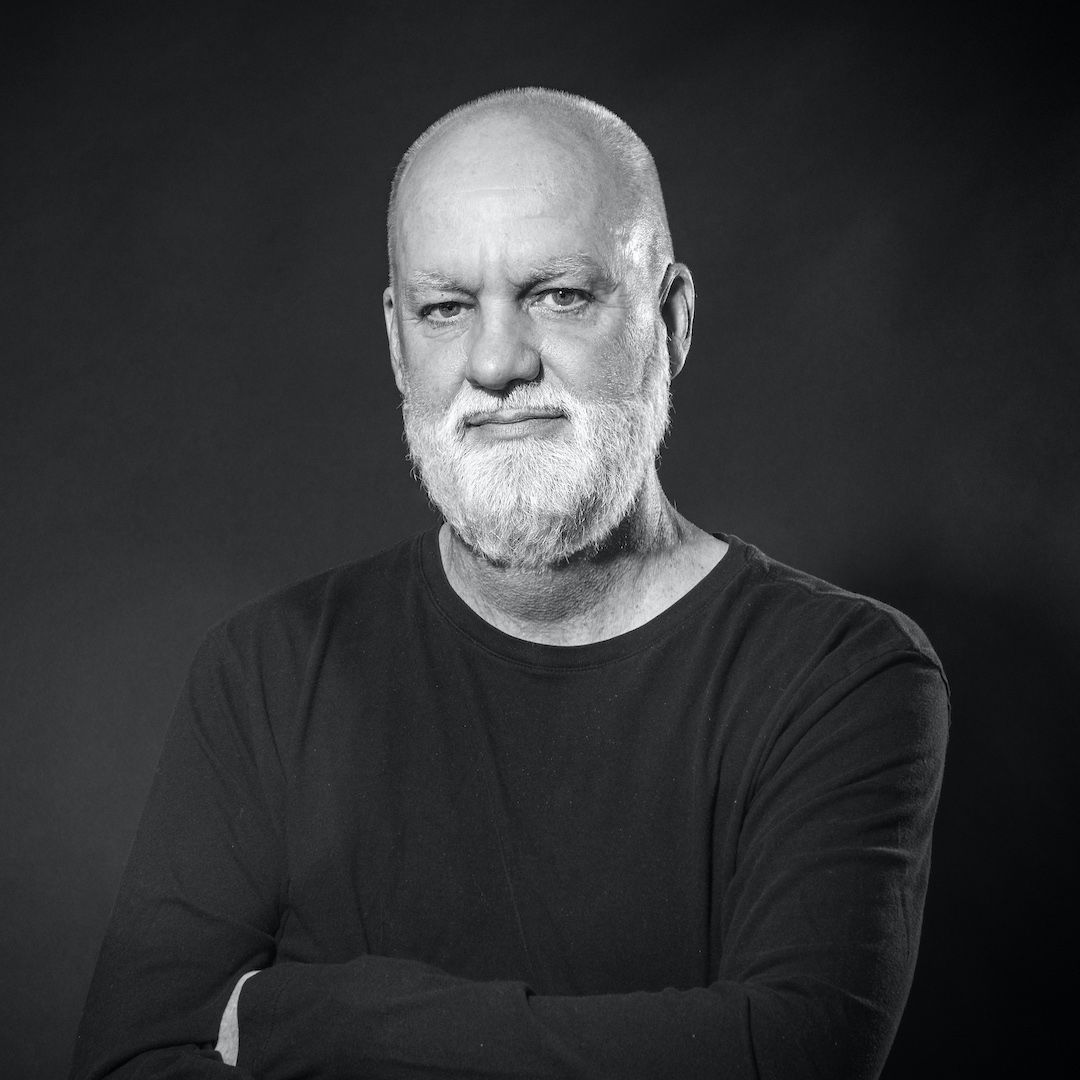
Dr. Jane Barratt is an internationally recognized expert on ageing, health, and social policy. Holding a PhD in Public Health, she is known for examining how systems succeed or fail when populations live longer. Her work focuses on how demographic change reveals the strengths and weaknesses in the way systems are designed, led, and held accountable.
For over three decades, Jane has worked with the World Health Organization, the United Nations, governments, industry, and civil society. Her career is defined by moments when ageing was acknowledged rhetorically but poorly integrated into policy, planning, and accountability. She served over 20 years as Secretary General of the International Federation on Ageing (IFA), working across countries and sectors on issues spanning health systems, care, prevention, and equity.
Dr. Jane Barratt’s extensive experience has given her a practical view of how policy intent becomes institutional reality and how responsibility fragments when systems are under pressure. Her contribution has been recognized internationally. This includes being named a Healthy Ageing 50 Champion by WHO and receiving the Queen Elizabeth II Diamond Jubilee Medal.
On stage, Dr. Jane Barratt is known for clarity and intellectual honesty. Her keynotes connect evidence with lived experience. She invites audiences to think more carefully about leadership, prevention, and the human consequences of design choices. Whether advising governments or addressing global summits, Jane equips leaders to build systems that support people of every age.
Speaking Topics: Dr. Jane Barratt
When No One Is Responsible for the Whole Person
Most health and care systems are built to address single diseases and discrete episodes of care, while people’s lives unfold across multiple conditions and changing needs over time. As complexity increases, the limits of this design become clear. Care fragments, coordination weakens, and responsibility becomes unclear. When this happens, the work of holding care together shifts away from institutions and onto patients and families. They coordinate across services, repeat information, and manage follow-up, often compensating for gaps that no part of the system claims as its responsibility. What is frequently described as engagement is, in practice, a response to systems that are not designed to manage complexity. This keynote examines how funding models, governance arrangements, and accountability structures shape these outcomes by prioritizing activity over continuity. Drawing on global policy experience, Jane shows what can change when responsibility for the whole person is deliberately held within systems, and how trust and better outcomes emerge when care is designed for complexity rather than convenience. Learning Outcomes: 1. Identify systemic design flaws that lead to fragmented care and unclear responsibility. 2. Understand the hidden costs of shifting coordination work onto patients and their families. 3. Learn strategies for redesigning systems to prioritize continuity and the "whole person".
The Care Economy: Why Every System Collapses Without It
Health and social systems depend heavily on family caregiving. There is a persistent assumption that family or friends will be available to provide additional care, absorb pressure, and continue without limit. In reality, caregiving without adequate support erodes health, constrains income, reshapes identity, and closes off opportunity. This keynote centres on that contradiction. Jane examines how systems rely on family caregivers to hold care together, manage gaps, and sustain daily life, while offering little protection when strain becomes unsustainable. Care is treated as a private responsibility, even though its absence would bring health systems, labour markets, and communities to a standstill. The argument is direct. Care is productive. It sustains people and systems. When care is stretched beyond its limits, families are not failing. They are being failed by systems designed to rely on care without taking responsibility for it. Learning Outcomes: 1. Reposition care as a foundational public good and economic driver. 2. Identify policy, leadership, and investment levers that strengthen care systems. 3. Build organisational and societal resilience by supporting caregivers.
Honest Ageing: The Cost of Reassurance
We celebrate longer lives yet often describe those same lives in terms of burden, cost, and strain. Between celebration and concern sits a language of ageing that reassures rather than prepares. It softens what later life can involve and, in doing so, leaves institutions poorly equipped for the reality they are already facing. This keynote examines how the language used in ageing policy and practice shapes what systems notice, prioritize, and delay. Changing functional ability and capacity, multiple chronic conditions, and inequality shaped by place and policy are not exceptions in later life, but common features. Prevention most often arrives far too late, responsibility becomes diffuse, and accountability weakens. Honest ageing is not about pessimism. It is about recognizing later life as it is lived, and understanding why honesty is essential to preparedness, equity, and effective design when systems are expected to respond to real conditions rather than comforting narratives. Learning Outcomes: 1. Identify how "reassuring" language in policy leads to deferred prevention and accountability. 2. Assess the role of honesty in creating equitable and effective system designs for later life. 3. Explore why early prevention is critical to managing changing functional capacity.
Hope as a Counterforce to Structural Ageism
Ageism is often treated as a problem of attitudes or language. It is embedded in the design and operation of public systems, influencing how support is structured across different stages of life. This keynote focuses on how these system design choices shape who is seen, who is prioritized, and who is left waiting as populations age. Ageing slips out of focus, not through a single act of exclusion, but through choices that accumulate quietly. Systems continue to refer to ageing, but they are rarely prepared for what longer lives actually require in practice. Hope enters as a counterforce in a very practical sense. It becomes visible when responsibility for ageing is clearly held, when prevention is prioritized early rather than deferred, and when dignity is protected through system design rather than goodwill. This work equips leaders to recognize how structural ageism operates in their own settings, to see where reassurance has replaced readiness, and to understand what changes when ageing is treated as a core responsibility in decisions, budgets, and institutional practice. Learning Outcomes: 1. Describe how structural ageism shows up in policy, financing, and organisational culture. 2. Recognise hope as a strategic force — grounded in governance, investment, and global examples of real progress. 3. Apply actionable insights to make ageing visible in systems, decisions, and leadership priorities.
Ageing Isn’t a Crisis: It’s the Engine of the Economy
Longer lives are still discussed as a problem to absorb. A cost to manage. A risk to the public purse. Yet ageing is already reshaping how economies function, who works, who consumes, who cares, and who holds systems together when labour markets thin and services fray. In this keynote, Jane looks at why so much economic value goes unseen. Not because it is marginal, but because our models are narrow. Paid work is counted. Care is not. Contribution is measured over short horizons, while longer lives unfold across decades. The result is a persistent misreading of dependency, delayed investment, and policies that weaken resilience just as societies need it most. This is not an argument for optimism. It is an argument for accuracy. When institutions design for longer working lives, sustained participation, and the realities of care across the life course, economic policy begins to shift. Not toward containment, but toward durability. Not toward burden, but toward stability, contribution, and shared prosperity over time. Learning Outcomes: 1. Recognise the economic and social value generated by longer healthier lives. 2. Apply policy strategies that leverage multigenerational strength. 3. Build age-inclusive cultures that fuel innovation, sustainability, and growth.
When Innovation Arrives Before Responsibility
Technology is not entering a neutral landscape. It is entering ageing and care systems marked by inequality, fragmented accountability, and uneven access. When responsibility is weak, technology does not fix problems. It exposes them. In this keynote, Jane examines why trust in technology is not a technical issue, but a governance one. Digital tools can support autonomy, continuity, and connection, or deepen exclusion. What matters is not the technology itself, but what it is being asked to stand in for when systems fail to take responsibility. Rather than asking what technology can do, this keynote asks harder questions. What happens when tools arrive before accountability? When speed outpaces ethics? When efficiency replaces care, and access is mistaken for equity? Jane explores the conditions under which technology earns trust over time, through design choices that protect dignity and ensure someone remains responsible for the whole person, not just the data they generate. Learning Outcomes: 1. Analyze why trust in healthcare technology is a governance issue rather than a technical one. 2. Evaluate the ethical risks when digital tools arrive before clear accountability structures. 3. Design technological integration that protects human dignity and supports patient continuity.
Related speakers



Related news and insights

January 25, 2024 · 5 min. read
Keynote Speakers to Watch in 2024
Talent Bureau works with North America’s most influential keynote speakers to provide audiences with the right solutions to their workplace challenges.

April 1, 2025 · 4 min. read
Best Canadian Speakers in Healthcare and Environment
Get to know Madison Tevlin, a multihyphenate superstar who defies stereotypes, inspires audiences and sets new standards for accessibility and inclusion.

July 9, 2025 · 5 min. read
Top 10 Canadian Guest Speakers | Book In-Demand Talent
From health experts and changemakers to bestselling authors and rising stars—meet 10 of the most in-demand Canadian guest speakers making an impact on stages nationwide.